Currency: Guatemalan Quetzal (GTQ)
Country code: +502
Area: 108,889 km²
Population: approx. 17.6 million
Population density: approx. 17.6 million

Guatemala: Insights into the regulations, traditions, and logistics
Currency: Guatemalan Quetzal (GTQ)
Country code: +502
Area: 108,889 km²
Population: approx. 17.6 million
Population density: approx. 17.6 million
Guatemala is the largest economy in Central America and offers stable growth, competitive costs, and a strategic location between North and South America. It has a young, entrepreneurial population, strong agribusiness, expanding manufacturing, and growing digital and BPO sectors. Multiple free trade agreements and improving investment conditions make Guatemala an attractive platform for nearshoring and regional expansion.
1. Are there typical greeting rituals?
In Guatemala, greetings are warm, polite, and relationship‑oriented. A handshake with eye contact is standard in business settings, often accompanied by “Buenos días” or “Mucho gusto.”; however, when there is trust (usually closeness means that you already met people once and they already started business with you) in business meetings it is normal to say Hi and Good Bye with a kiss in the cheek. Personal warmth matters, so greetings may include a friendly smile or brief small talk anywhere (elevators, streets, buses, reception, etc). Among people who know each other well, greetings can become more informal, sometimes including a light hug, and always a kiss in the cheek. Respect for hierarchy and addressing people by their title or surname is appreciated, however not needed, as people rather to direct under the name, except when they are elder or high manager positions where they are referred as: Mister, Miss or under their career degree Engineer, Licenciado, Doctor, etc.
2. Which business rules should be followed?
Business culture in Guatemala is formal, respectful, and strongly relationship‑driven. Trust and personal connection are essential before moving into detailed discussions. Meetings often begin with small talk, and patience is important — processes can take time. Breakfast, lunch and dinners are needed to get know the customers-vendors to get the confidence needed. Decision‑making tends to be hierarchical, so identifying key stakeholders early is helpful, but not very welcomed to go to the higher managers when they have people to do the job. Communication is polite and indirect, and maintaining professionalism, courtesy, and follow‑up is key to successful cooperation; however when there is more business close with the people making decisions, a kiss in the cheek and a hug is normal social salutation.
3. What stereotypes are there about Guatemala?
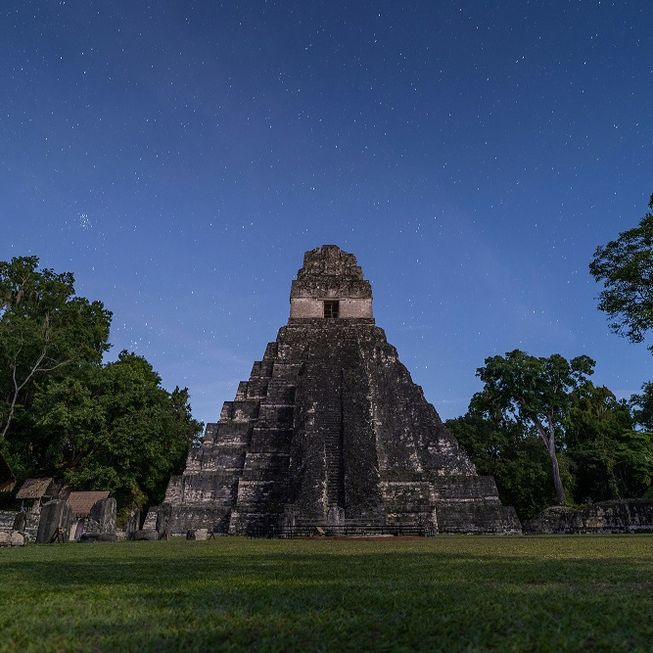
Guatemala is often associated with coffee, volcanoes, and Mayan culture. While these are part of its identity, they represent only a fraction of a diverse and dynamic country. Stereotypes about instability or informality overlook Guatemala’s strong macroeconomic stability, entrepreneurial spirit, and growing digital and industrial sectors. The country’s cultural diversity — Maya, Ladino, Garífuna, Xinca — makes generalizations rarely accurate.
4. What topics are discussed during small talk?
Small talk often includes family, weekend plans, food, local traditions, weather, politics, religion events, music and sports — especially soccer. People also enjoy discussing travel, cultural festivals, and regional differences. In business settings, conversations may touch on economic developments, agriculture, infrastructure, or Guatemala’s growing role in Central American trade.

5. Which commodities play an important role, and who are the main export/import partners?
a. Exports: Key exports include coffee, sugar, bananas, fruits, vegetables, apparel, waste paper, plastic waste, scrap metal and manufactured goods.
From: United States (largest partner), Mexico, Central American countries. And some Europe destinations.
b. Imports: Guatemala imports machinery, electronics, chemicals, fuel, paper, waste paper and consumer goods.
To: United States, Mexico, China, Europe, South America and regional Central American partners.
6. What specific challenges exist in local logistics?
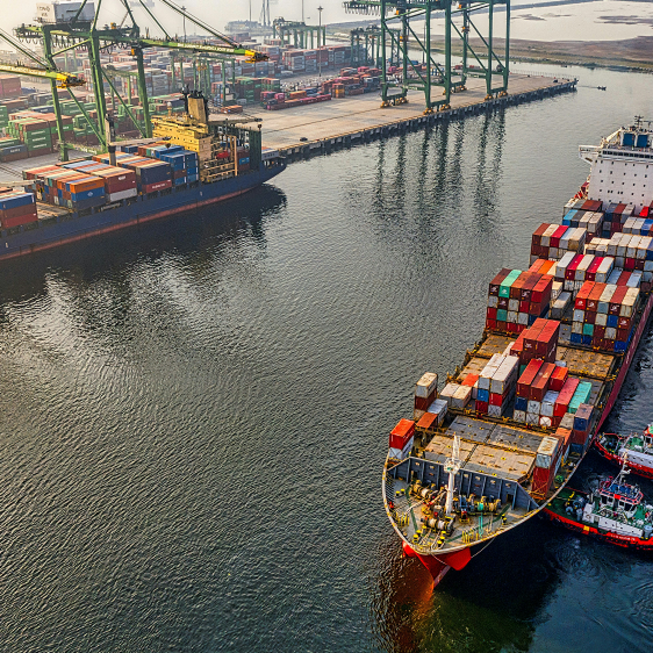
Guatemala’s logistics sector faces challenges such as uneven infrastructure quality, congestion, and no rail options. Ports are undergoing modernization, but efficiency varies, the structure in the ports is old and usually there has not grown in the past 10 years, which makes some draft not suitable for arriving post-Panamax vessels. Road networks are improving through long‑term development plans, yet regional disparities remain. Despite these challenges, Guatemala’s strategic location and ongoing investments make it an increasingly competitive logistics hub.
7. What was the most exciting or unusual item transported by Fr. Meyer’s Sohn?
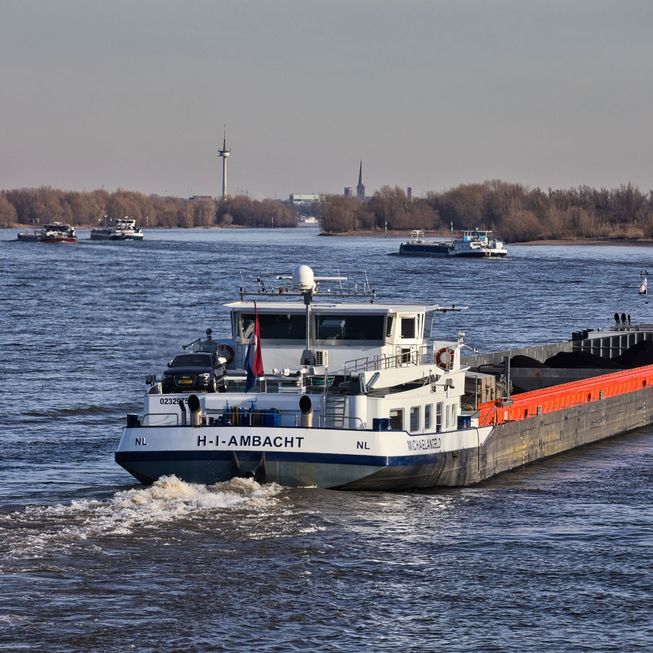
We have moved various paper mills from US, Italy and Brazil to Guatemala, including over dimensioned and overweighed cargo. Barges with cardboard boxes.
8. Are there traditional dishes eaten on special holidays?
Guatemalan cuisine is rich and deeply rooted in tradition which varies per region. Popular festive dishes include:
9. What should one experience or see on site?
Guatemala offers exceptional cultural and natural highlights: