Currency: Swedish Krona (SEK)
Country code: +46
Area: 450,295 km²
Population: approx. 10.6 million
Population density: approx. 26 inhabitants per km²

Sweden: Insights into the regulations, traditions, and logistics
Currency: Swedish Krona (SEK)
Country code: +46
Area: 450,295 km²
Population: approx. 10.6 million
Population density: approx. 26 inhabitants per km²

Sweden is a highly developed and innovative economy known for its strong focus on sustainability, technology, and international trade. The country combines a stable business environment with a strong tradition of research, engineering, and entrepreneurship. Sweden is home to globally recognized companies in areas such as automotive, telecommunications, life sciences, manufacturing, and clean technologies. Its advanced infrastructure, skilled workforce, and commitment to digitalization make it one of Northern Europe's most competitive economies and an important partner in global supply chains.
1. Are there typical greeting rituals?
Swedish greetings are usually polite, calm, and straightforward. In professional settings, a handshake is the most common form of introduction, often accompanied by direct eye contact and a friendly but reserved attitude. Swedes typically value equality and informality, so first names are commonly used even in business environments after the initial introduction. Personal space and respecting privacy are important aspects of Swedish communication.
2. Which business rules should be followed?
Swedish business culture is strongly influenced by values such as equality, consensus, reliability, and transparency. Meetings are usually well prepared, structured, and focused on facts rather than hierarchy. Decision-making can take time because companies often seek input from different stakeholders before reaching an agreement. Punctuality is highly valued, and arriving prepared is considered a sign of professionalism. Building trust through consistency and delivering on promises are essential for successful business relationships.
3. What stereotypes are there about Sweden?
Sweden is often associated with IKEA, Volvo, ABBA, forests, and a strong focus on social equality and sustainability. While these elements are important parts of the country's international image, they represent only one side of modern Sweden. The stereotype of Swedes being distant or overly reserved overlooks their strong culture of collaboration, innovation, and social responsibility. Sweden is also a global leader in technology, renewable energy, life sciences, and design, with a highly developed startup ecosystem and internationally successful companies.
4. What topics are discussed during small talk?
Common small-talk topics in Sweden include nature, travel, sports, food, hobbies, and seasonal activities. Swedes often enjoy discussing outdoor experiences such as hiking, skiing, and spending time in the countryside. The concept of “fika”—a coffee break combined with social interaction—is an important part of Swedish culture and can be a good conversation topic. Discussions about sustainability, innovation, and local traditions are also generally well received.
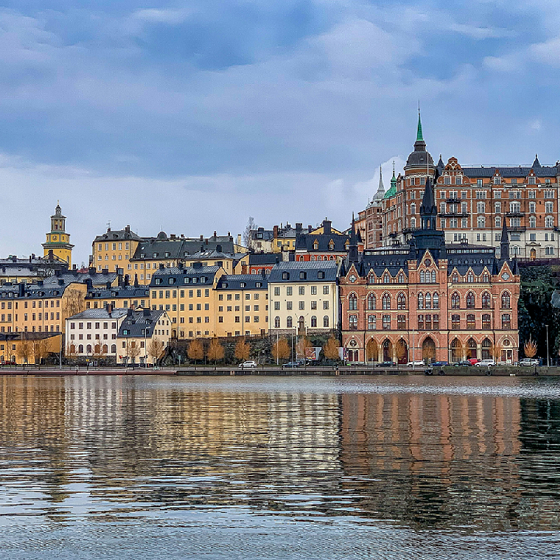
5. Which commodities play an important role, and which countries are the main export/import partners?
a. Exports: Sweden exports machinery, vehicles, pharmaceuticals, electronics, telecommunications equipment, forest products, iron ore, and industrial technology solutions.
To: Germany, Norway, United States, Denmark, Finland.
b. Imports: Key imports include machinery, vehicles, electronics, chemicals, energy products, food products, and industrial components.
From: Germany, Norway, Denmark, China, the Netherlands.
6. What specific challenges exist in local logistics?
Sweden's large geographical area and northern location create specific logistics challenges. Long distances between production sites and population centers can increase transportation times, especially in remote northern regions. Winter conditions, including snow and ice, may affect road and rail transport during certain periods. However, Sweden benefits from highly developed infrastructure, efficient ports, advanced rail networks, and a strong focus on sustainable logistics solutions. The country's connection to the Baltic Sea also supports international trade.
7. What was the most exciting or unusual item transported by Fr. Meyer's Sohn?
We have transported new car models that not yet been presented to the market, to the northest part of Sweden for performance testing in demanding winter conditions. These transportations and handeling must be carried out under strict confidentiality. The movements are highly sensitiv and require complete discretion throughout the entire process.
8. Are there traditional dishes eaten on special holidays?
Swedish cuisine reflects Nordic traditions with a strong connection to seasonal ingredients, seafood, and preserved foods. Traditional dishes enjoyed during holidays and celebrations include:
Food plays an important role during celebrations such as Midsummer, Christmas, Easter, and family gatherings.
9. What should one experience or see on site?
Sweden offers a unique combination of modern cities, natural landscapes, and cultural traditions. Highlights include:
Sweden's combination of innovation, sustainability, economic stability, and natural beauty makes it an attractive destination for international business, investment, and travel.