Currency: Polish Zloty (PLN)
Country code: +48
Area: 312,696 km²
Population: 38.0 million
Population density: pprox. 123 inhabitants per km²

Poland: Traditions, Rules and Logistics at a Glance.
Currency: Polish Zloty (PLN)
Country code: +48
Area: 312,696 km²
Population: 38.0 million
Population density: pprox. 123 inhabitants per km²
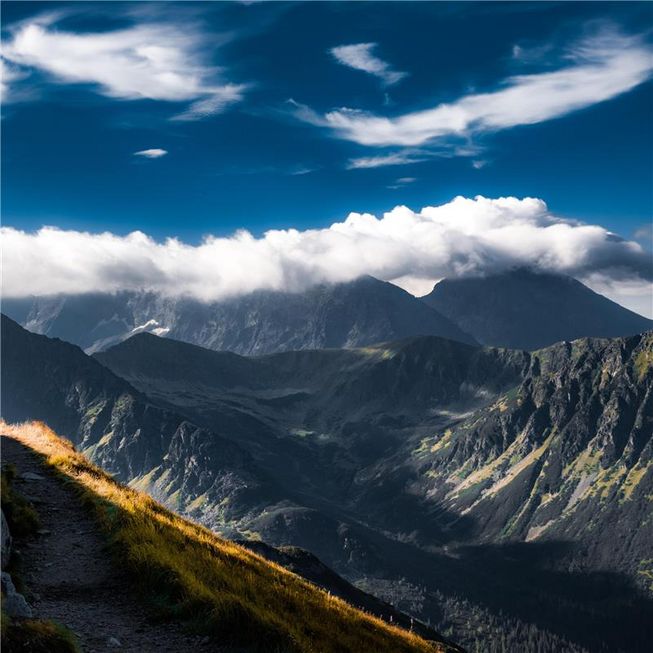
Poland is strategically positioned at the crossroads of Western and Eastern Europe and has grown into a major hub for logistics and manufacturing, supported by well‑developed infrastructure and a steadily expanding economy.
1. Are there typical greeting rituals?
In Poland, people usually greet each other with a firm handshake and direct eye contact. Common greetings include “Dzień dobry” (good day) or “Cześć” (hello). In formal situations, politeness and the correct use of titles are very important.
2. Which business rules should be followed?
Polish business culture is respectful, structured, and more hierarchical than in many Western European countries. Punctuality and clear, direct communication are essential, as is thorough preparation for meetings. Overall, professionalism, reliability, and a factual, calm atmosphere are highly valued.
3. What stereotypes are there about Poland ?
Poland is sometimes linked to old traditions, historical struggles, or a reserved national character, but these ideas don’t reflect the full picture. Today, the country is modern, creative, and varied, with big differences between regions and lifestyles. Its economy has grown steadily, and its cities are known for innovation, culture, and a strong academic scene. To understand Poland, it helps to look past clichés and see the energy and diversity shaping it now.
4. What topics are discussed during small talk?
Poles don't usually engage in small talk on their own, but they are happy to join a conversation if someone else initiates it. Polish people enjoy discussing food — especially traditional dishes such as pierogi or bigos—as well as sports, particularly football and volleyball. Conversations about family, travel within Poland, or regional traditions are also well received.
5. Which commodities play an important role, and which countries are the main export/import partners?
a. Exports: Machinery, vehicles, furniture, electronics, food products, agricultural products, paper, wood, alcohol To: Germany, Czech Republic, France, the Netherlands, the UK.
b. Imports: Machinery, electronics, energy, chemicals From: Germany, China, the Netherlands, Italy.
6. What specific challenges exist in local logistics?
Due to its central location, Poland experiences heavy transit traffic, which can lead to congestion and occasional bottlenecks along key corridors and border crossings. Regional differences in infrastructure and winter weather conditions can also cause delays and require additional planning.
7. What was the most exciting or unusual item transported by Fr. Meyer’s Sohn?
Yachts to Sint Maarten, Caribbean Elements of a cable car mountain railway to China and to India Elements of plane runway lighting to Oman.
8. Are there traditional dishes eaten on special holidays?
Yes — especially during Christmas and Easter: Barszcz with uszka (beet soup with dumplings) Carp at Christmas Mazurek and babka cake at Easter Pierogi in many variations (dumplings) Traditional cuisine plays an important role in family life.
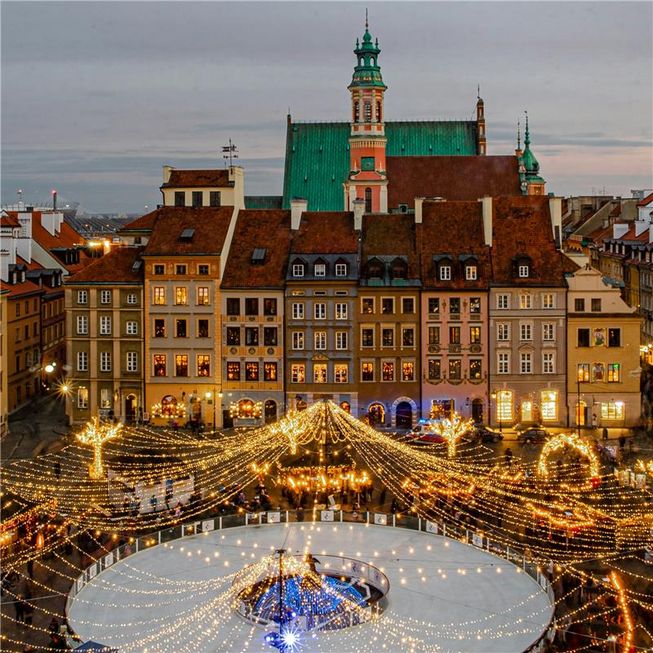
9. What should one definitely experience or see on site?