Currency: Peruvian Sol (PEN)
Country code: +51
Area: 1,285,216 km²
Population: approx. 34 million
Population density: approx. 26 inhabitants per km²

Peru: Insights into the regulations, traditions, and logistics
Currency: Peruvian Sol (PEN)
Country code: +51
Area: 1,285,216 km²
Population: approx. 34 million
Population density: approx. 26 inhabitants per km²
Peru offers a unique mix of tradition and innovation. While mining remains a cornerstone of the economy, Lima is emerging as a hub for creative industries, fintech, and world renowned gastronomy. The country’s strategic Pacific location, improving infrastructure, and dynamic workforce create strong conditions for international partnerships and long term growth.
1. Are there typical greeting rituals?
In Peru, greetings are polite and slightly formal, especially in business contexts. A handshake with eye contact is standard, accompanied by “Buenos días” or “Mucho gusto.” Titles and surnames are used until a more personal relationship is established. In Lima’s business environment - which is cosmopolitan and internationally oriented - greetings remain respectful but warm. In more informal settings, greetings may include a friendly hug among close acquaintances.
2. Which business rules should be followed?
Peruvian business culture blends Spanish formality, Indigenous communal values, and modern Latin American dynamism. Meetings often begin with small talk, and building trust is essential before moving into detailed discussions. High uncertainty avoidance means Peruvians prefer clear structures, detailed agreements, and well‑defined procedures. Decision‑making can be hierarchical, so identifying key stakeholders early is helpful. In Lima, business practices are more modern and faster‑paced, reflecting the city’s role as Peru’s financial and cultural center.
3. What stereotypes are there about Peru?
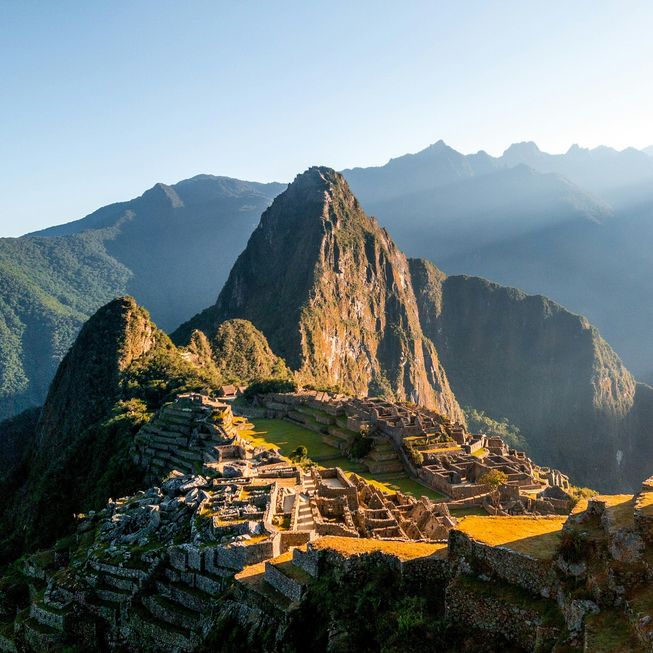
Peru is often associated with Machu Picchu, the Andes, and traditional Indigenous culture. While these are important, they represent only part of a diverse and rapidly modernizing country. Stereotypes about informality overlook Peru’s strong mining sector, growing fintech scene, and Lima’s global culinary leadership - home to several of the world’s top restaurants. Peru’s cultural diversity (Spanish, Indigenous, Afro‑Peruvian, Asian influences) generalizes rarely accurate.
4. What topics are discussed during small talk?
Small talk often includes family, food (especially Peruvian cuisine), weekend plans, sports - particularly football - and cultural events. In business settings, conversations may touch on economic developments, mining, agriculture, or Lima’s growing role in regional trade and innovation. Showing appreciation for Peruvian food culture is one of the most effective relationships‑building gestures.
5. Which commodities play an important role, and who are the main export/import partners?
a. Exports: Peru is a major exporter of copper, gold, silver, zinc, tin, agricultural products (coffee, cacao), textiles, and seafood.
To: United States, China, and other Asia‑Pacific and Latin American partners.
b. Imports: Key imports include machinery, electronics, chemicals, fuel, and consumer goods.
From: United States, China, Mexico, and regional Latin American partners.
6. What specific challenges exist in local logistics?
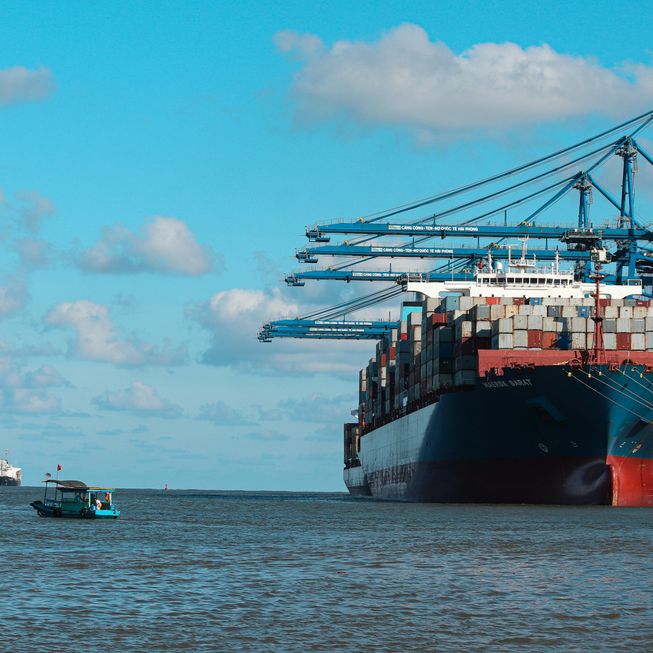
Lima is Peru’s main logistics hub, anchored by the Port of Callao, the country’s principal port. Logistics can be affected by heavy traffic congestion, infrastructure bottlenecks and the concentration of cargo flows around the capital. The recently developed Port of Chancay represents an important change in Peru’s logistics landscape. Its direct connectivity with Asia, particularly China, strengthens Peru’s position as a strategic Pacific gateway and creates new opportunities for regional and international supply chains. Together, Callao and Chancay significantly enhance Peru’s potential as a logistics hub for South America.
7. What was the most exciting or unusual item transported by Fr. Meyer’s Sohn?
One particularly interesting project handled by FMS Peru involved the transportation of oversized machinery for an oil field in Peru. The shipment required special coordination due to the dimensions of the cargo and the logistical challenges involved in delivering heavy equipment to the project site.
8. Are there traditional dishes eaten on special holidays?
Peruvian cuisine plays an important role in celebrations and family gatherings. During Christmas, families traditionally enjoy roast turkey accompanied by Peruvian-style arroz árabe (a sweet and savory rice dish), followed by panetón and hot chocolate. Beyond specific holidays, food is a central part of Peruvian culture. Some of the country’s most popular dishes include ceviche, Peru’s iconic seafood dish;
9. What should one experience or see on site?
Lima offers a mix of history, culture, and modern innovation. Highlights include: