Currency: Colombian Peso (COP)
Country code: +57
Area: 1,141,748 km²
Population: approx.53 million
Population density: approx. 46 inhabitants per km²

Colombia : Insights into the regulations, traditions, and logistics
Currency: Colombian Peso (COP)
Country code: +57
Area: 1,141,748 km²
Population: approx.53 million
Population density: approx. 46 inhabitants per km²
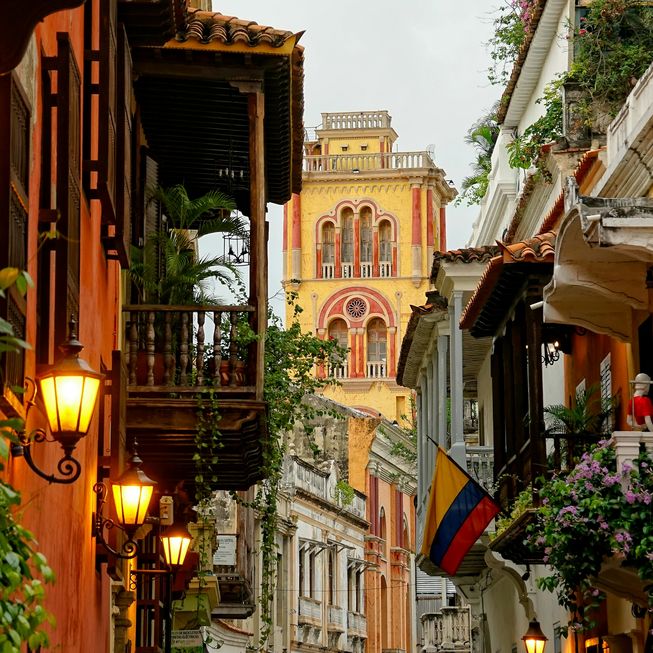
Colombia is one of Latin America's largest and fastest-growing economies, offering a diversified industrial base and a strategic location with coastlines on both the Pacific Ocean and the Caribbean Sea. The country has become an important regional hub for manufacturing, logistics, agribusiness, energy, and business services. Continuous investments in infrastructure, free trade agreements, and expanding port facilities have strengthened Colombia's role in international trade, making it an attractive destination for foreign investment and regional distribution.
1. Are there typical greeting rituals?
Colombians are generally warm, friendly, and relationship oriented. A firm handshake with eye contact is the standard greeting in business situations, while long-standing business partners may greet each other more informally. Professional titles and surnames are commonly used during initial meetings as a sign of respect. Building rapport through polite conversation before discussing business is considered an important part of establishing trust.
2. Which business rules should be followed?
Personal relationships play a significant role in Colombian business culture. Establishing trust often takes time, so face-to-face meetings and regular communication are highly valued. Although meetings are usually well structured, discussions may be flexible, and decision-making can involve several levels of management. Punctuality is appreciated, particularly in international business, while patience and adaptability contribute to successful long-term partnerships. Professional attire and respectful communication are expected throughout business interactions.
3. What stereotypes are there about Colombia?
Colombia is often associated with coffee, tropical landscapes, and vibrant music and dance traditions such as salsa and cumbia. While these are integral parts of the country's identity, they represent only a fraction of modern Colombia. Outdated perceptions focused on crime and drug trafficking fail to reflect the country's remarkable transformation over recent decades. Today, Colombia is recognized for its growing technology sector, expanding manufacturing industry, innovative entrepreneurship, and dynamic urban centers such as Bogotá and Medellín. Its cultural diversity and economic development make the country far more complex than many common stereotypes suggest.
4. What topics are discussed during small talk?
Popular conversation topics include football, family, travel, Colombian cuisine, music, and the country's diverse landscapes. Many Colombians enjoy talking about regional traditions, local festivals, coffee culture, and places such as Cartagena, Medellín, or the Coffee Triangle. Conversations are typically friendly and personal, helping to establish a comfortable atmosphere before business matters are introduced.

5. Which commodities play an important role, and which countries are the main export/import partners?
a. Exports: Colombia is a major exporter of crude oil, coffee, coal, cut flowers, bananas, gold, and ferronickel. In recent years, exports of manufactured goods and business services have also grown.
To: United States, China, Panama, Brazil, Ecuador.
b. Imports: Major imports include machinery, vehicles, electrical equipment, chemicals, pharmaceuticals, industrial inputs, and consumer goods.
From: United States, China, Brazil, Mexico, Germany.
6. What specific challenges exist in local logistics?
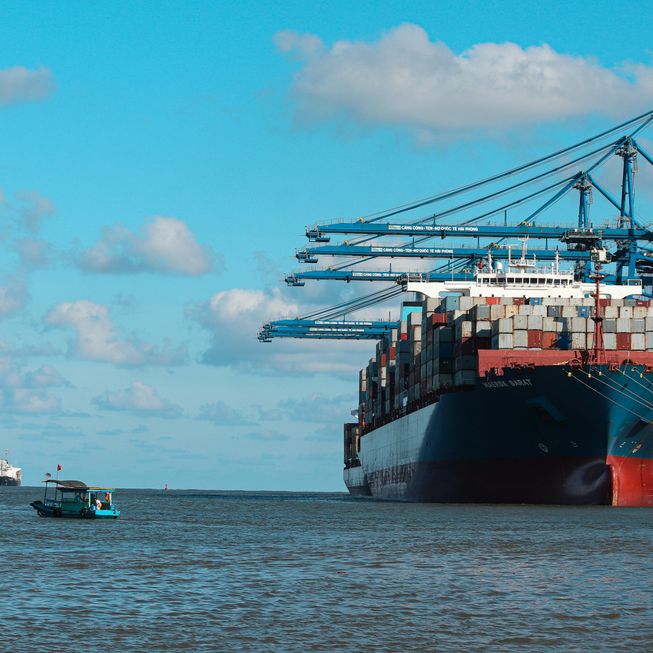
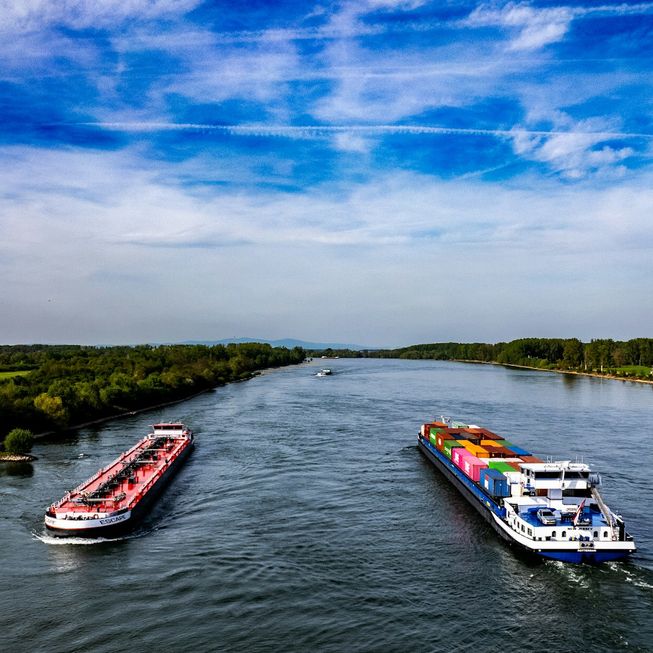
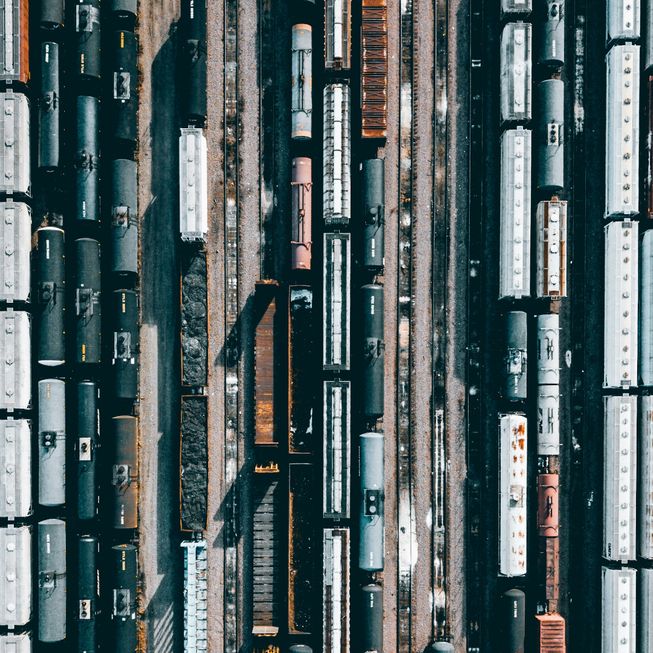
Colombia's geography presents unique logistical challenges. The Andes Mountains divide the country into several regions, making road transport more complex and increasing transit times. Heavy rainfall, landslides, and congestion around major cities can occasionally disrupt supply chains. At the same time, Colombia continues to modernize its transport infrastructure through investments in highways, ports, airports, and multimodal logistics, improving connectivity between production centers and international markets.
7. What was the most exciting or unusual item transported by Fr. Meyer's Sohn?
One of our most exciting shipments was the export of a backhoe loader from Buenaventura, Colombia, to Posorja, Ecuador. As part of the launch of our Colombia operations, we managed the entire export process from a Free Trade Zone, including customs clearance, documentation, and coordination with authorities.
Despite challenges such as limited availability of Open Top (OT) and Flat Rack (FT) containers, oversized cargo requirements, and peak-season restrictions in December, the shipment was executed successfully.
The cargo arrived safely in Ecuador, demonstrating Fr. Meyer's Sohn Colombia’s ability to deliver complex logistics solutions with efficiency and reliability.
8. Are there traditional dishes eaten on special holidays?
Colombian cuisine varies significantly between regions and reflects Indigenous, Spanish, and African influences. Traditional dishes commonly enjoyed during holidays and family gatherings include:
Food plays a central role during Christmas, Easter, and many regional festivals across the country.
9. What should one experience or see on site?
Colombia offers an exceptional mix of modern cities, cultural heritage, and natural beauty. Highlights include:
Colombia's combination of economic growth, cultural richness, and geographical diversity makes it an increasingly attractive destination for international business and tourism.