Currency: Chilean Peso (CLP)
Country code: +56
Area: 756,102 km
Population: approx. 20 million
Population density: approx. 26 inhabitants per km²

Chilie : Insights into the regulations, traditions, and logistics
Currency: Chilean Peso (CLP)
Country code: +56
Area: 756,102 km
Population: approx. 20 million
Population density: approx. 26 inhabitants per km²
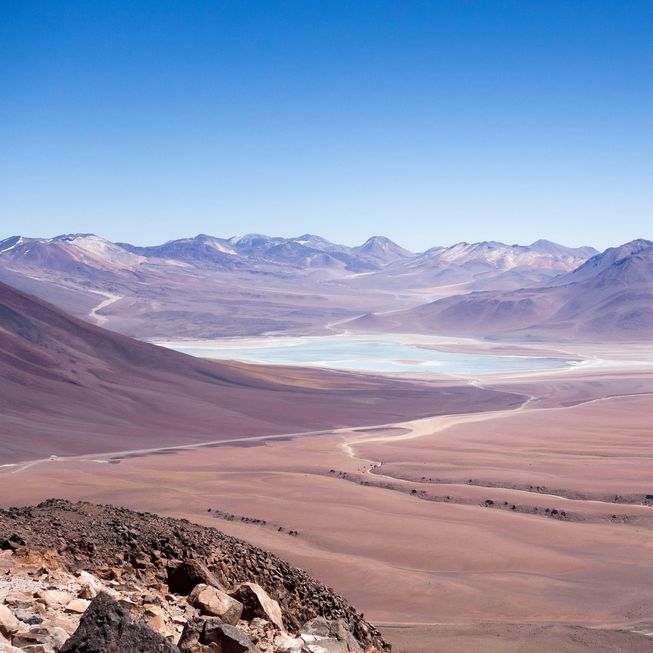
Chile is one of Latin America's most stable and business-friendly economies. The country benefits from a strong legal framework, extensive international trade agreements, and a strategic position along the Pacific coast. Chile is a global leader in mining, renewable energy, agriculture, and aquaculture. Its openness to foreign investment, modern infrastructure, and highly connected ports make it an important gateway for trade between South America and Asia-Pacific markets.
1. Are there typical greeting rituals?
Greetings in Chile are warm and friendly. In business settings, a handshake is the most common form of introduction, accompanied by eye contact and a smile. People are usually addressed by their professional title and surname until a closer relationship has been established. Personal connections are important, and conversations often begin with brief small talk before addressing business matters. Courtesy and respect are highly valued.
2. Which business rules should be followed?
Business in Chile combines professionalism with a relationship-oriented approach. Establishing trust is often just as important as discussing commercial details. Meetings may begin with informal conversation, and decision-making can take time due to hierarchical structures. Punctuality is appreciated, although schedules can sometimes be more flexible than in Northern Europe. Maintaining a professional appearance and demonstrating commitment to long-term cooperation are essential for successful business relationships.
3. What stereotypes are there about Chile?
Chile is frequently associated with mining, wine production, and the Andes Mountains. While these are important elements of the country's identity, Chile is also a growing center for technology, renewable energy, and innovation in Latin America. Another common stereotype is that Chileans are reserved compared to other Latin Americans; however, they are generally welcoming, loyal, and highly relationship-focused once trust has been established.
4. What topics are discussed during small talk?
Popular small-talk topics include football, family, travel, food, and Chile's diverse landscapes. People often discuss current events, local traditions, national holidays, and outdoor activities. Chileans are proud of their country's natural beauty, so conversations about Patagonia, the Atacama Desert, or the Pacific coastline are generally well received. Business discussions usually follow only after some personal rapport has been established.
5. Which commodities play an important role, and who are the main export/import partners?
a. Exports: Chile is one of the world's largest exporters of copper and exports lithium, fresh fruit, wine, seafood, wood products, and cellulose.
To : China, United States, Japan, South Korea, Brazil.
b. Imports: Key imports include machinery, vehicles, electronics, fuels, chemicals, and manufactured goods.
From : China, United States, Brazil, Argentina, Germany.
6. What specific challenges exist in local logistics?
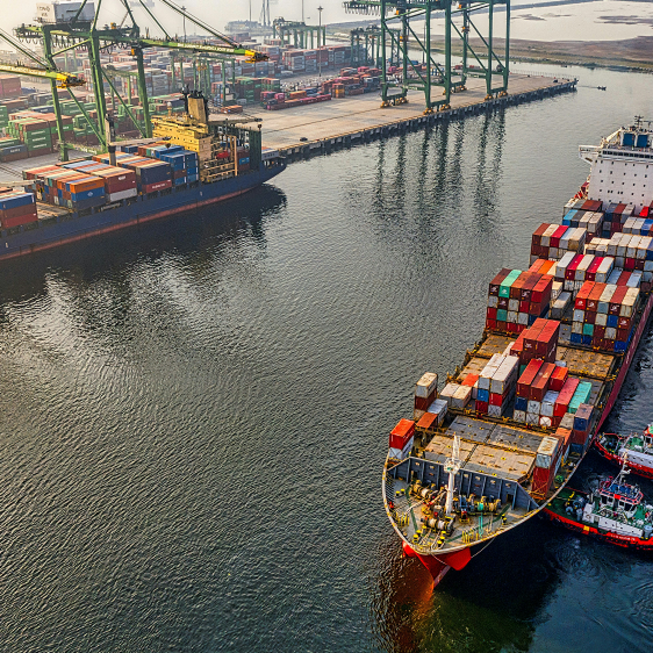
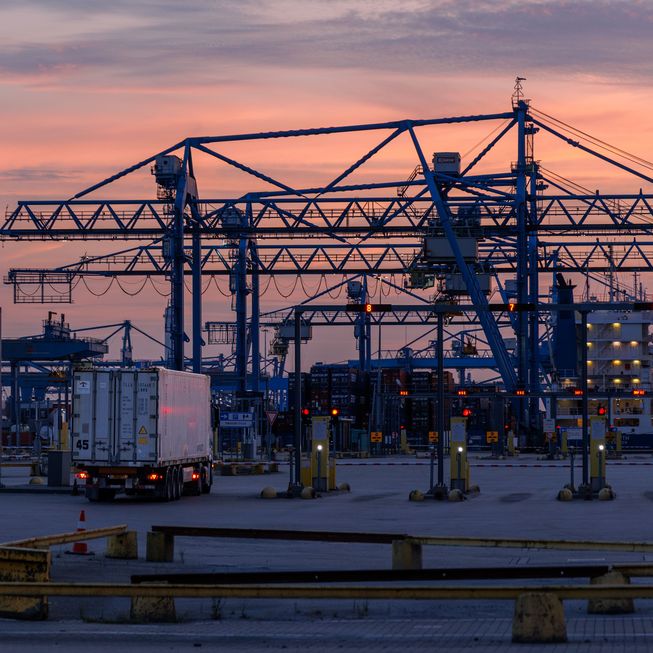
Chile's unique geography creates both opportunities and challenges for logistics. Stretching over 4,000 kilometers from north to south, the country requires extensive transport networks to connect production sites and population centers. Mountain ranges, remote regions, and occasional earthquakes can affect transportation routes. However, Chile benefits from efficient ports, modern highways, and strong international shipping connections, particularly for trade across the Pacific Ocean.
7. What was the most exciting or unusual item transported by Fr. Meyer’s Sohn?
We are exporting gluten free oats to USA, yes, gluten fee oats from Chile. In the south of Chile, Temuco, we produce oats and exports it to USA, Salt Lake City. This is a DDP movement from local farm in the south of Chile, loading in the port of San Vicente or Coronel to Los Angeles USA and move by train to Salt Lake City. Store the cargo in Salt Lake City and then move by truck to Twin Falls in Idaho. This was very challenging logistics solution, since is food product produce in the very south of Chile to a middle location in USA. We have been moving this business for 3 years already and the client is very satisfied with the service provided.
8. Are there traditional dishes eaten on special holidays?
Chilean cuisine reflects Indigenous, Spanish, and coastal influences. Traditional dishes often enjoyed during holidays and celebrations include:
Food plays a central role during Fiestas Patrias (Chile's Independence celebrations), Christmas, and regional cultural festivals.
9. What should one experience or see on site?
Chile offers extraordinary natural diversity and vibrant cultural experiences. Highlights include:
Chile's combination of economic dynamism, natural wonders, and cultural richness makes it a fascinating destination for both business and leisure travel.