Currency: Brazilian Real (BRL)
Calling code: +55
Area: 8,515,770 km²
Population: 210 million
Density: approx. 25 inhabitants per km²

Brazil: Insights into the regulations, traditions, and logistics
Currency: Brazilian Real (BRL)
Calling code: +55
Area: 8,515,770 km²
Population: 210 million
Density: approx. 25 inhabitants per km²

Brazil is the largest country in South America and one of the world’s leading emerging economies, playing a key role in global trade flows, particularly in agriculture, energy, and industrial supply chains.
In Brazil, greetings are naturally warm and welcoming. In business settings, a firm handshake with eye contact is common, often accompanied by a genuine smile.
As relationships grow, interactions tend to become more relaxed and personal - reflecting the country’s open, friendly, and relationship-driven culture.
Business in Brazil is built on trust and connection. Taking the time to develop relationships is not just appreciated - it is essential.
While professionalism is always expected, flexibility and empathy go a long way in navigating local dynamics. A collaborative and solution-oriented mindset is key to building strong and lasting partnerships.
Like many diverse countries, Brazil is often associated with a few well-known images such as carnival, soccer, and beautiful beaches. While these elements are indeed part of the culture, they represent only a small portion of the country’s true complexity.
Brazil is a large and diverse nation, with significant regional differences in culture, economy, and lifestyle. Perceptions around safety and social dynamics can vary widely depending on location, and generalizations may not accurately reflect everyday reality.
Brazil is also a country of strong economic relevance, innovation, and resilience, with a dynamic population and a business environment that continues to evolve.
Understanding Brazil requires looking beyond simplified assumptions and appreciating its diversity, complexity, and opportunities.
Brazil offers a unique blend of scale, opportunity, and diversity. As the largest economy in South America, it plays a central role in regional and global trade flows.
Beyond its strong position in commodities, Brazil is increasingly relevant in complex supply chains, supported by a dynamic market and a highly adaptable business environment.
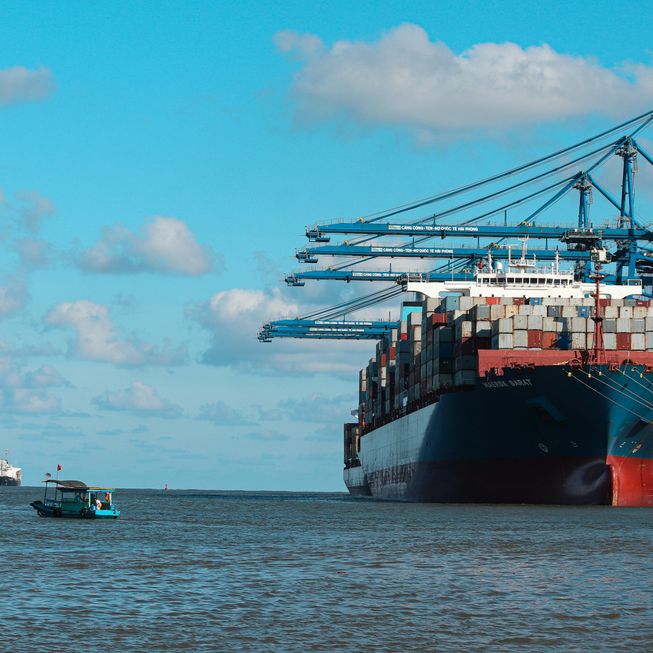
a. Exports: Soybeans, crude oil, iron ore, meat, sugar Main destinations: China, the United States, Argentina, the Netherlands.
b. Imports: Machinery and electronics, chemicals, vehicles and vehicle parts Main origins: China, the United States, Germany, Argentina.
Brazil’s size and diversity make its logistics landscape both challenging and fascinating. Long inland distances, port congestion, and regulatory complexity require careful planning and local expertise.
At the same time, these challenges create space for creative and tailored logistics solutions, where experience and adaptability truly make a difference.
One of the most memorable projects handled by Fr. Meyer’s Sohn in Brazil was the transportation of a complete industrial production line for a globally recognized brewery. It was a complex and carefully coordinated operation, involving oversized equipment, multiple transport modes, and precise timing.
We have also managed large-scale shipments of agricultural machinery and mining equipment, often under challenging conditions and requiring specialized handling.
Projects like these reflect not only operational expertise, but also the trust our clients place in us to deliver critical and high-value cargo with care and precision.
Brazilian cuisine reflects the country’s diversity, richness, and regional identity.
A traditional favorite is feijoada, a hearty dish made with black beans and various cuts of meat, often enjoyed during weekends or special gatherings.
Barbecue (“churrasco”) is also an essential part of Brazilian culture, especially in the South, where it represents both tradition and social connection.
Beyond iconic dishes, Brazil stands out for its incredible variety of fresh fruits and natural ingredients — from tropical flavors like mango, papaya, and açaí to regional specialties found across the country.
Other popular foods include pão de queijo, moqueca, brigadeiros, and farofa, each representing different regions and culinary traditions.
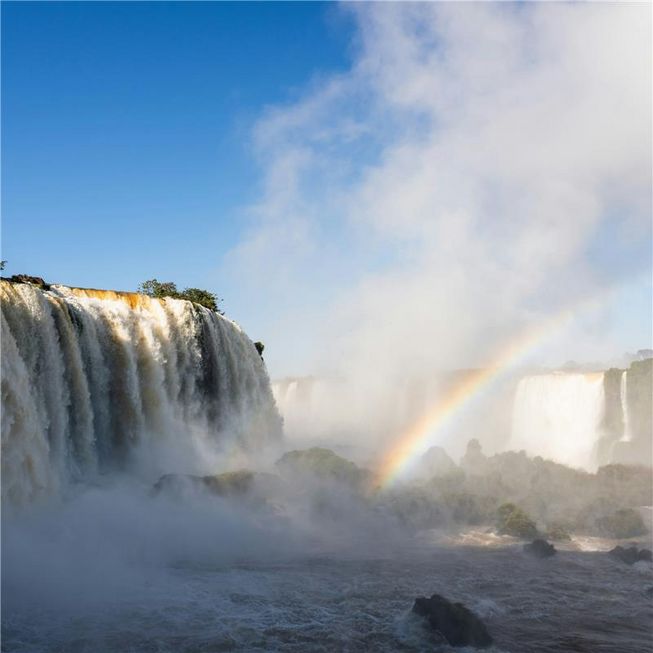
Brazil offers a unique mix of iconic landmarks, breathtaking landscapes, and unforgettable experiences. Some highlights include:
Beyond these destinations, Brazil stands out for its energy, diversity, and the warmth of its people — making every visit a truly memorable experience.