Currency: South African Rand
Country code: +27
Area: 1,221,037 km²
Population: approx. 63 million
Population density: approx. 50 inhabitants per km²

South Africa : Insights into the regulations, traditions, and logistics
Currency: South African Rand
Country code: +27
Area: 1,221,037 km²
Population: approx. 63 million
Population density: approx. 50 inhabitants per km²
South Africa is one of the strongest and most diverse economies in Africa, with a modern financial sector, significant mineral resources, and a highly productive agricultural industry, including being the world’s largest citrus exporter. Trade agreements, strong export sectors such as nuts and wine, as well as the widespread use of English further enhance its international competitiveness.
In South Africa, business greetings are courteous and warm. A firm handshake with eye contact and a friendly smile is common in business settings.
South Africa’s business culture combines professionalism with openness and a strong focus on building long-term relationships. Meetings typically begin with a brief informal conversation, before moving into detailed discussions. Punctuality is valued, and communication is generally direct but polite, often followed by a written summary of key discussion points.
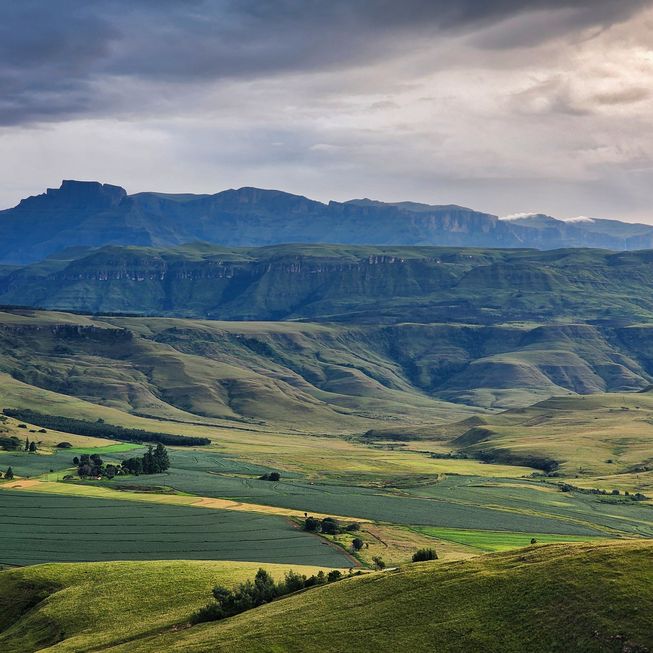
South Africa is often associated with wildlife, safaris, and iconic landscapes. While these are an important part of its identity, they represent only a fraction of a highly diverse and industrialised nation. Stereotypes around safety is also common, with South Africans remaining vigilant and taking appropriate security precautions to ensure personal safety.
Small talk in South Africa often centres around sports such as rugby, soccer, and cricket, as well as topics like food, travel, and family. People also enjoy discussing weekend plans and local events. In our industry, business conversations frequently extend to global logistics, infrastructure development in South Africa, and broader economic trends.
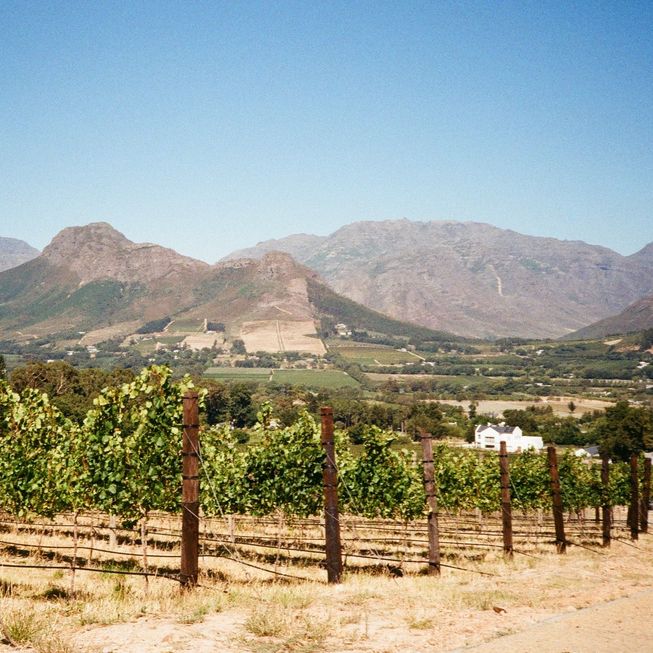
a. Exports: South Africa is a major exporter of minerals (including gold, platinum, and iron ore), coal, motor vehicles, agricultural products, wine, and machinery.
To: China, the United States, Germany, Japan, and the United Kingdom.
b. Imports: Key imports include machinery, electronics, retail products, chemicals, refined petroleum, and motor vehicles.
From: China, Germany, the United States, India, and the United Arab Emirates.
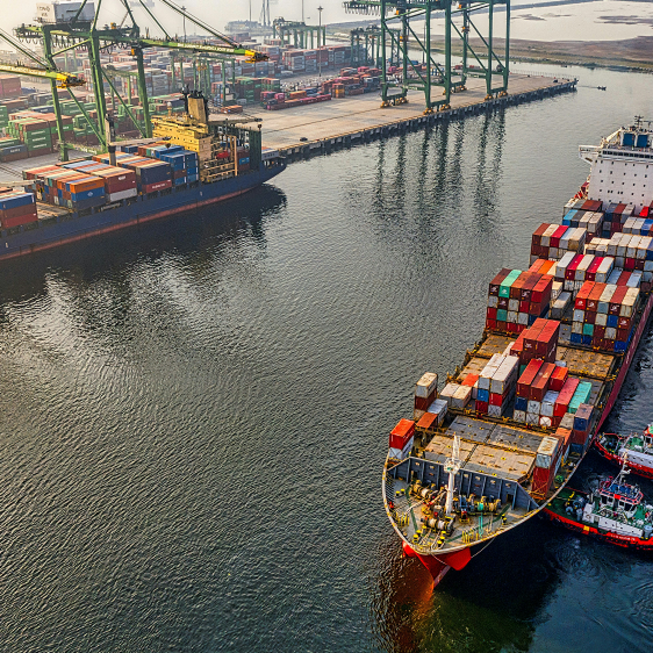
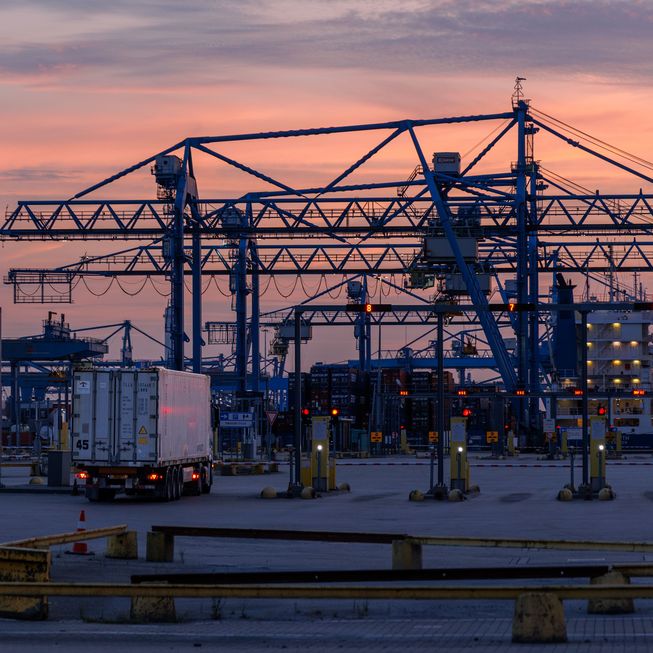
Exporters and importers continue to face challenges linked to constraints in port and rail infrastructure, including port congestion, aging port equipment, and operational inefficiencies. As a result, transport and operating costs remain high, particularly where cargo must be diverted to road transport due to unreliable rail services. However, there is a strong focus on private sector investment in South Africa’s port and rail infrastructure network, which is expected to improve operational performance. Concerns remain around potential weather-related disruptions linked to climate change, which may impact future agricultural production through greater variability in rainfall, more frequent droughts, and flooding, all of which could impact crop yields.
FMS provides logistics services for a luxury expedition company operating guided travel experiences to Antarctica. All supplies, crew, and guests must be transported safely by air, requiring meticulous planning to ensure minimal environmental impact. FMS has managed the air/sea freight of a wide range of specialised and unconventional cargo, including a hovercraft, PistenBully vehicles, snow groomers, expedition equipment, and even high-value artwork.
South African cuisine reflects the country’s rich multicultural heritage and plays an important role in bringing people together. Popular festive dishes include:
South Africa offers an exceptional mix of nature, culture, and adventure. Highlights include:
Don’t forget to visit our local FMS office in South Africa, where we would be delighted to welcome you, introduce you to our team, and share some South African hospitality.