Currency: Turkish Lira
Calling code: +90
Area: 783.562 km²
Population: 80.144.878
Density: 102.28 people per km²

Insights into the regulations, traditions, and logistics of Turkey.
Currency: Turkish Lira
Calling code: +90
Area: 783.562 km²
Population: 80.144.878
Density: 102.28 people per km²
Good friends, regardless of sex, give each other cheek kisses on both sides; even two men. This is a very typical one. Formal or business greeting is coming face-to-face and shaking hands while asking each other how they are. A weak hand shake without eye-contact will not be an amicable sign.
Understanding customers' needs and respecting them. One of the most common ways to make the respect visible is being flexible on your own rules. Offering the customer some flexibility would build up trust. Negotiations on the price of goods and services are usually long processes. So, a good salesperson should be patient and allow some reasonable time for negotiations.
Although Turkey's biggest part of land is indeed a Middle-Eastern location by geography and some cultural features are shared, mass urban population which is higher than that of rural, doesn't identify themselves as Middle-Easterns. Rather than meticulous organizations and plannings; quick, sometimes last-minute solutions are more broadly employed in affairs in Turkey.
Conversations about the hometowns and small talk about the origins are quite common.
a. Export:
Textiles and Clothing (~18%), Transport Equipment (~16%), Agro-Industry (~11%) and Iron and Steel (~9%)
To: Germany (~10%), United Kingdom (~8%), Iraq (~6%) and Italy (~5%)
b. Import:
Fuel (~14%), Chemicals (~14%), Machinery (~14%) and Transport equipment (~11%)
From: China (~13%), Germany (~11%), Russia (~8%) and the United States (~6%)
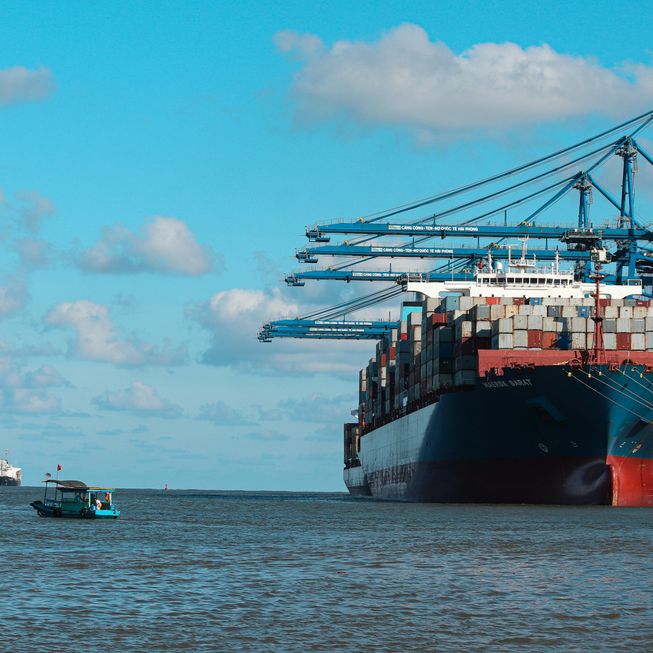
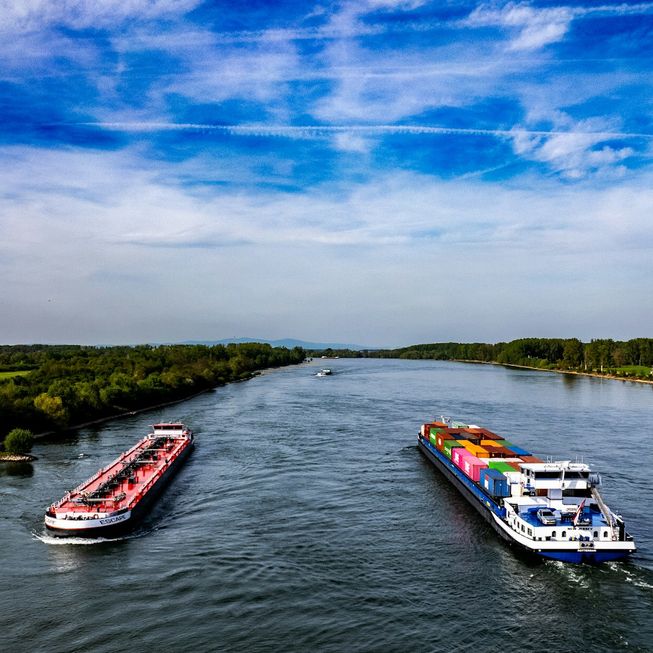
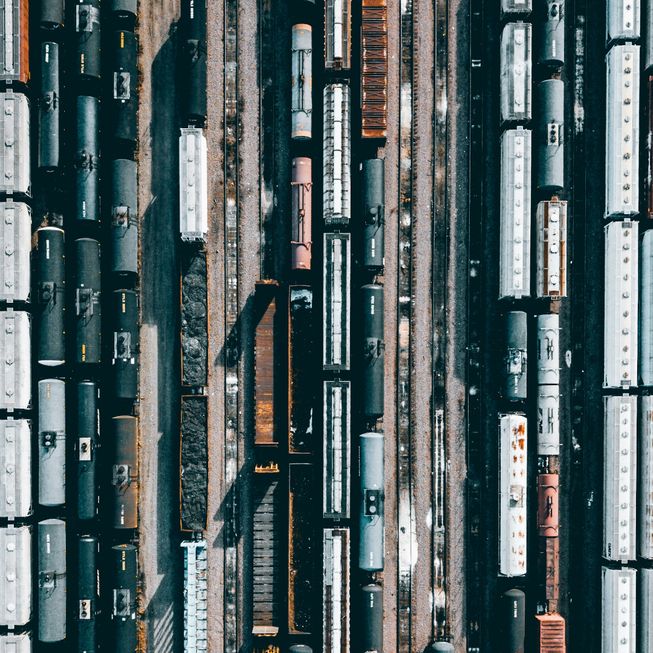
Logistic infrastructure, sea-ports and railways have been obsolete until early 2000s. Government spends huge budgets for renewals and maintenance tough. Custom clearance procedures are often long and costly.
Transformer and parts were transported from Switzerland via the port of Izmir to the city of Manisa in 2012. This is one of the most exciting.
There's a number of traditional dishes in Turkey. Eating roast of chopped sheep meat on Sacrifice Days with family is a strong tradition. Fresh-baked small bagels are eaten on religious feast days. There are very typical dishes for Ramadan dinners; pide is a special bread and Gullac is a traditional Ramadan dessert which is served with rose sauce. Besides, Turkish coffee and Turkish tea are widely consumed in daily life.